

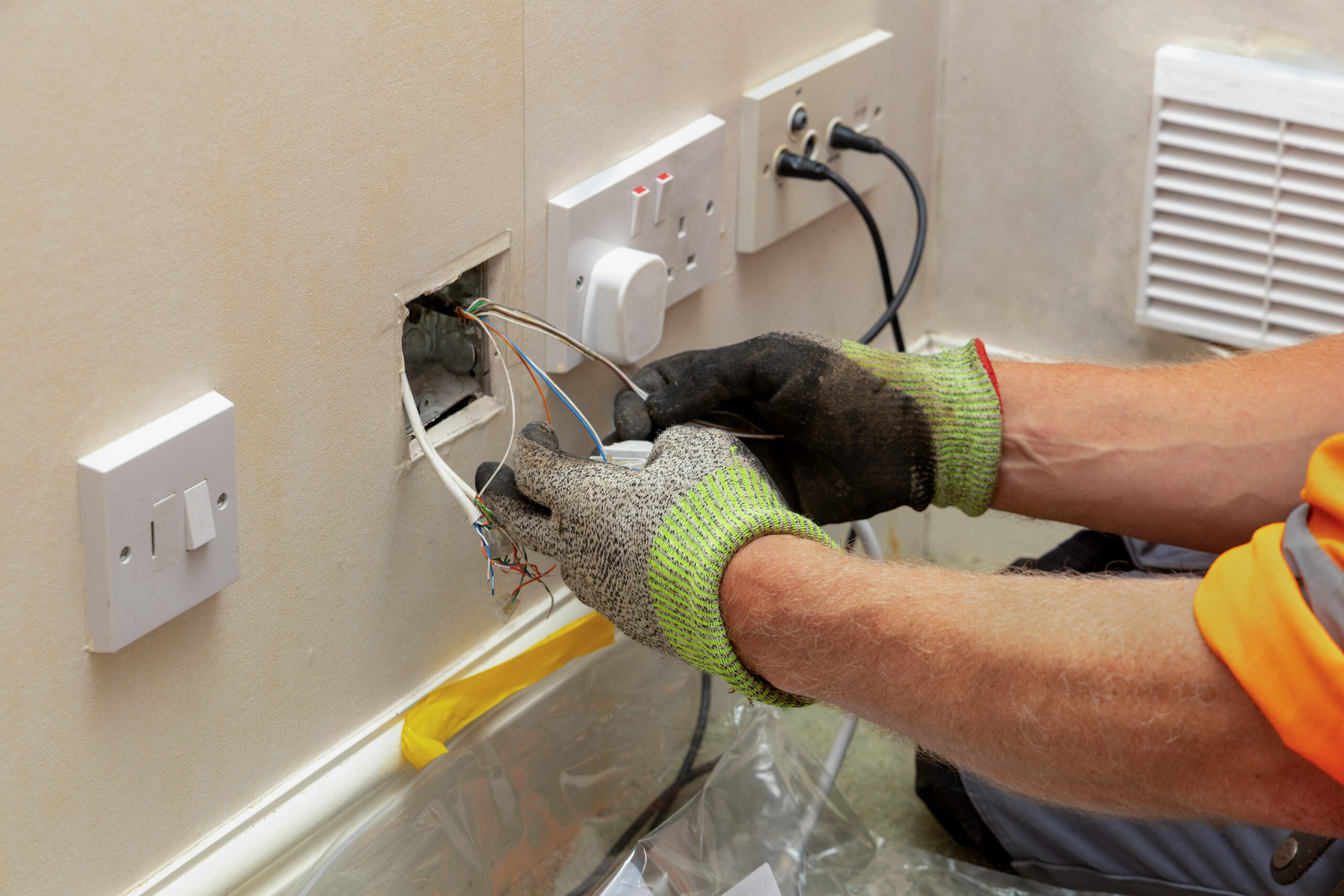
If you're renovating your home, dealing with ageing electrics or wondering whether your wiring is still safe, you might be weighing up a partial vs full house rewire.
A partial house rewire replaces wiring in specific areas or circuits, while a full house rewire involves replacing the wiring throughout the property. The right choice depends on the condition of your existing electrical installation, the extent of any problems and your plans for the home.
Not every older property needs a complete rewire. Equally, replacing a few sections of wiring won't necessarily resolve problems affecting the wider installation.
In this guide, we'll explain when each option might be suitable, what affects the cost and disruption, and how to make an informed decision.
What's the Difference Between a Partial and Full House Rewire?
The main difference is the amount of electrical wiring that needs replacing.
A partial rewire focuses on selected rooms, circuits or sections of the installation. It's generally considered when the existing wiring is in suitable condition overall, but particular areas need attention.
A full rewire involves replacing the wiring throughout the property. It may also include new sockets, switches, lighting circuits and a consumer unit, depending on what's required.
Neither option is automatically better. The important thing is choosing an approach that addresses the condition of your electrics without carrying out unnecessary work.
When Might You Need a Partial House Rewire?
A partial house rewire can be a practical solution when electrical problems or planned improvements are limited to certain areas.
For example, you might be renovating a kitchen and need changes to the electrical circuits, sockets and lighting. If the remaining installation is in satisfactory condition, replacing all the wiring in your home may not be necessary.
Other situations where a partial rewire might be appropriate include:
- Renovating a particular room: Updating electrical circuits as part of a kitchen, extension or other improvement.
- Replacing deteriorated wiring: Addressing a problem affecting a specific circuit or section.
- Making electrical improvements: Altering existing circuits to accommodate changes to how a room is used.
- Retaining suitable wiring: Keeping existing circuits that have been assessed and are appropriate for continued use.
However, a partial rewire only addresses the areas included in the work. If other circuits are deteriorating or have safety concerns, these will still need attention.
It's also worth remembering that adding a new socket or circuit doesn't necessarily mean you need a partial rewire.
When Is a Full House Rewire the Better Option?
A full house rewire may be recommended when the electrical installation has widespread problems or requires extensive replacement.
It can also be worth considering during a major renovation, particularly if walls, floors and ceilings are already being opened.
Some situations that may indicate the need for a full rewire include:
- Widespread deterioration: Several circuits have damaged or unsuitable wiring.
- Outdated wiring materials: The property contains older cable types that require further investigation.
- Multiple electrical safety concerns: Inspection and testing identify significant problems across the installation.
- Major property renovations: You're making substantial changes to the layout or electrical requirements of your home.
- Extensive electrical upgrades: The existing installation is unsuitable for the changes you want to make.
A full rewire also provides an opportunity to reconsider socket positions, lighting arrangements and other electrical requirements.
However, the age of a property alone doesn't mean a complete rewire is necessary. The existing installation should be assessed before deciding how much work is required.
What Are the Signs Your House Might Need Rewiring?
Some electrical problems can indicate that your wiring needs professional attention.
Warning signs include:
- Circuit breakers frequently tripping or fuses repeatedly blowing.
- Sockets or switches showing signs of burning or discolouration.
- Buzzing or crackling noises from electrical accessories.
- Damaged sockets, switches or visible wiring.
- Old rubber or fabric-covered electrical cables.
- Recurring faults affecting different areas of the property.
These signs don't automatically mean you need a full rewire. A fault may be limited to one circuit or component.
However, electrical problems shouldn't be ignored, particularly where there are signs of overheating or damaged wiring.
If you notice smoke, sparking or burning, stop using the affected equipment or circuit where safe to do so and seek urgent professional assistance.
For further information, Electrical Safety First provides electrical safety advice for homeowners.
How Do You Know Which Type of Rewire You Need?
The best starting point is to have your existing electrical installation assessed by a qualified electrician.
Rather than deciding based on the property's age or appearance, it's important to understand the actual condition of the wiring and whether any problems are limited or widespread.
An Electrical Installation Condition Report (EICR) can help identify deterioration, defects and safety concerns within the fixed electrical installation.
The findings may indicate that certain circuits need repairing or replacing, or that more extensive work should be considered.
Importantly, an EICR doesn't automatically mean your home needs rewiring. Some issues can be resolved through targeted repairs or upgrades.
At Daxter Electrical Services, we carry out electrical inspections and EICRs for homeowners and landlords.
Before agreeing to any work, it's worth asking your electrician which parts of the installation need replacing, whether existing circuits can remain and what testing or certification will be required.
Is a Partial Rewire Cheaper Than a Full Rewire?
A partial rewire will often cost less than a full rewire when the work is limited to a small number of circuits or rooms.
However, house rewiring costs depend on several factors, including:
- Property size: Larger homes generally require more wiring and installation work.
- Extent of work: Replacing one circuit is different from rewiring several rooms.
- Accessibility: Difficult cable routes and finished walls or floors can increase labour requirements.
- Existing installation: Additional repairs or consumer unit upgrades may be necessary.
- Electrical requirements: Extra sockets, lighting points and other changes can affect the quotation.
- Making good: Plastering and decorating may need to be arranged separately.
A partial rewire isn't necessarily better value if significant sections of the remaining wiring will also need replacing.
For example, if you're renovating one room but the electrical installation throughout the property is in poor condition, it may be worth considering whether completing more of the work together would reduce future disruption.
On the other hand, replacing wiring that's in satisfactory condition could mean paying for work you don't need.
The most useful comparison is a quotation based on the condition of your property and the work actually required.
How Disruptive Is a House Rewire?
Rewiring can involve lifting floorboards, accessing ceiling spaces and creating channels in walls to install new cables.
A partial rewire is often less disruptive because the work is concentrated in specific areas. A full rewire generally requires access throughout more of the property.
However, the level of disruption depends on the building's construction, the location of existing wiring and the routes available for new cables.
If you're planning a renovation, it can make sense to arrange electrical work before plastering, decorating or installing new fittings.
Can You Stay at Home During a Rewire?
It may be possible to remain in your home during some rewiring projects, particularly when work is limited to certain rooms.
A full rewire can be more challenging because electrical circuits may need to be disconnected and access may be required throughout the property.
Whether you can stay depends on the scope of the work, the availability of essential facilities and the arrangements agreed with your electrician.
Before work begins, discuss access, power interruptions, dust and any making-good work so you know what to expect.
Can You Upgrade Your Fuse Board Without Rewiring?
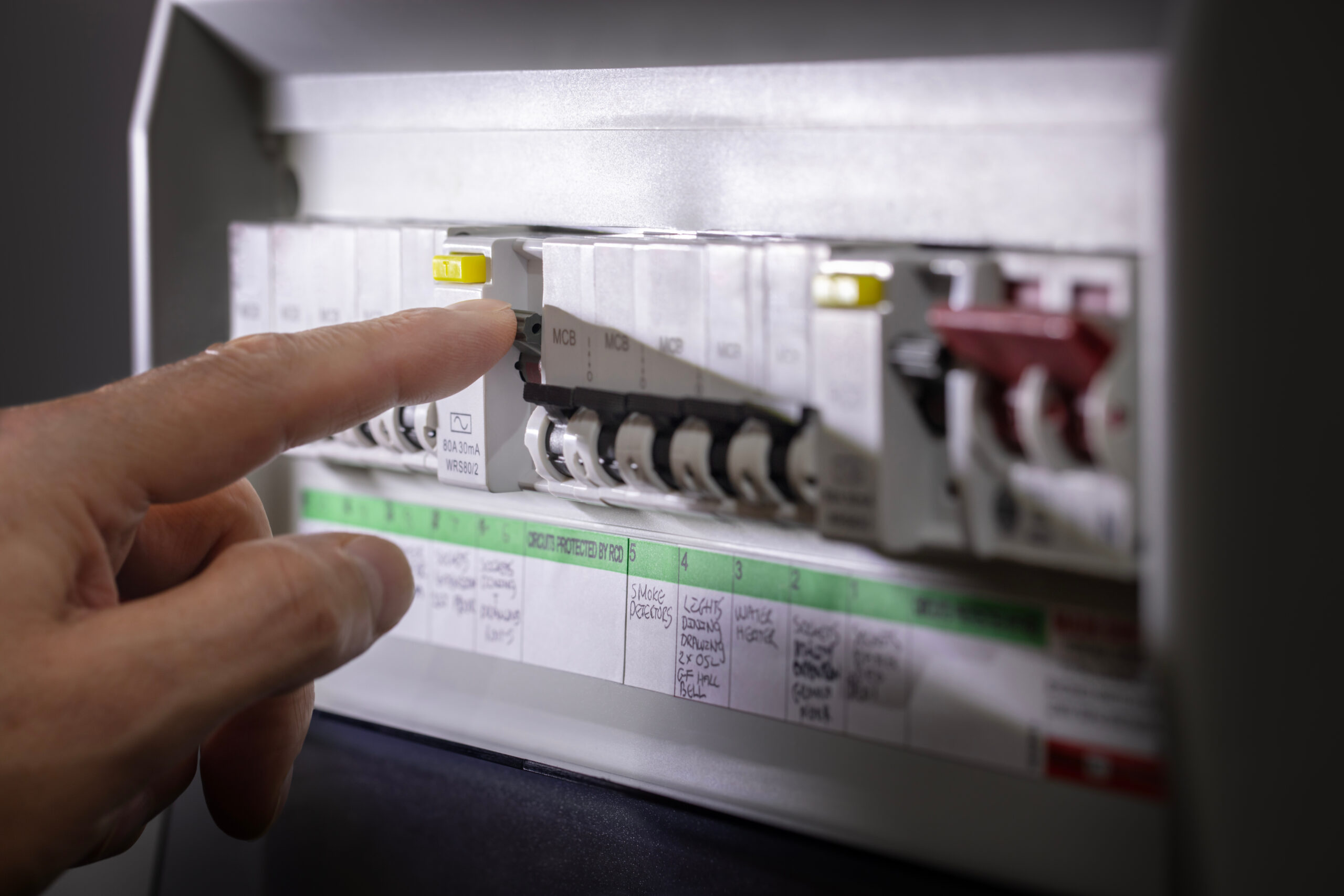
Yes, in some cases a consumer unit can be replaced without rewiring the entire property.
However, the existing circuits need to be assessed to establish whether they're suitable for connection to the new equipment.
An older fuse board doesn't automatically mean all the wiring needs replacing. Equally, installing a modern consumer unit won't resolve problems with damaged or unsuitable wiring elsewhere in the property.
If you're concerned about your existing fuse board, our consumer unit and fuse board upgrade service explains the options available.
What Happens After a House Rewire?
Once the electrical work is complete, the new or altered circuits need appropriate inspection and testing.
Depending on the work carried out, you should receive the relevant electrical certification, such as an Electrical Installation Certificate or Minor Electrical Installation Works Certificate.
Certain electrical work in homes in England may also require notification under Part P of the Building Regulations.
Before agreeing to a project, ask your electrician which certificates and notifications apply, along with what's included in the quotation.
It's also worth confirming whether any plastering, decorating or other making-good work will be included or arranged separately.
So, Should You Choose a Partial or Full House Rewire?
The right choice comes down to the condition of your existing electrics and what you need from your property.
A partial rewire may be suitable when problems are limited to particular circuits or areas, and the remaining installation is appropriate to retain.
A full rewire may be more practical when wiring problems are widespread, significant replacement is needed or you're undertaking a major renovation.
Neither option should be recommended simply because your property is old or because more extensive work seems preferable.
At Daxter Electrical Services, we provide full and partial property rewiring for homeowners and landlords across Fareham and surrounding areas.
We'll discuss your requirements, assess the work involved and explain your options so you can make an informed decision.
Thinking about rewiring your home? Get in touch with our team to discuss your property and request a quotation.