If you own or manage a rental property in Portsmouth, keeping the electrics safe and reliable is an important part of protecting both your tenants and your property. Many rental homes, particularly older terraces and converted flats, still contain ageing electrical systems that may no longer suit modern living.
Electrical problems are not always obvious immediately. In many cases, issues build gradually over time until tenants begin reporting faults, circuits start tripping, or inspections uncover safety concerns.
This guide explains some of the most common electrical problems found in Portsmouth rental properties, why they happen, and when landlords should consider arranging a professional inspection
What Electrical Problems Are Most Common In Rental Properties?
Rental homes often experience heavier electrical usage than owner-occupied properties. Over time, this can place additional pressure on older wiring systems and outdated electrical installations.
Some of the most common problems include:
- Outdated Fuse Boards
- Overloaded Circuits
- Damaged Sockets And Switches
- Faulty Lighting Circuits
- Ageing Electrical Wiring
- Missing RCD Protection
- DIY Electrical Alterations
- Insufficient Sockets For Modern Appliances
These issues are especially common in older Portsmouth properties where electrics may have been upgraded in stages over many years rather than fully modernised.
Older Fuse Boards Are Still Found In Many Rental Homes
One of the most common issues discovered during electrical inspections is an outdated consumer unit.
Many older rental properties still contain:
- Rewirable Fuse Boards
- Older Consumer Units
- Limited Circuit Protection
- No Modern RCD Safety Devices
Modern electrical systems are designed to disconnect power quickly if faults occur. Older fuse boards may not provide the same level of protection against electrical faults or fire risks.
Landlords often first notice problems when:
- Circuits Trip Repeatedly
- Tenants Report Intermittent Power Loss
- Appliances Stop Working Properly
- Electrical Inspections Highlight Safety Concerns
If your property still has an older fuse board, it may be worth reviewing whether the installation is suitable for modern electrical demand.
You can learn more about modern consumer unit upgrades here.
Overloaded Circuits Are Becoming More Common
Modern tenants use far more electrical devices than properties were originally designed to support.
This often includes:
- Home Office Equipment
- Gaming Consoles
- Multiple Televisions
- Kitchen Appliances
- Electric Heaters
- Extension Leads
- Charging Devices
Older properties with limited sockets often rely heavily on adaptors and extension leads, which can increase pressure on existing circuits.
Warning signs of overloaded circuits may include:
- Warm Sockets
- Flickering Lights
- Buzzing Sounds
- Repeated Tripping
- Burning Smells Near Outlets
These issues are particularly common in shared accommodation and older flats.
Ageing Wiring Can Become A Hidden Safety Concern
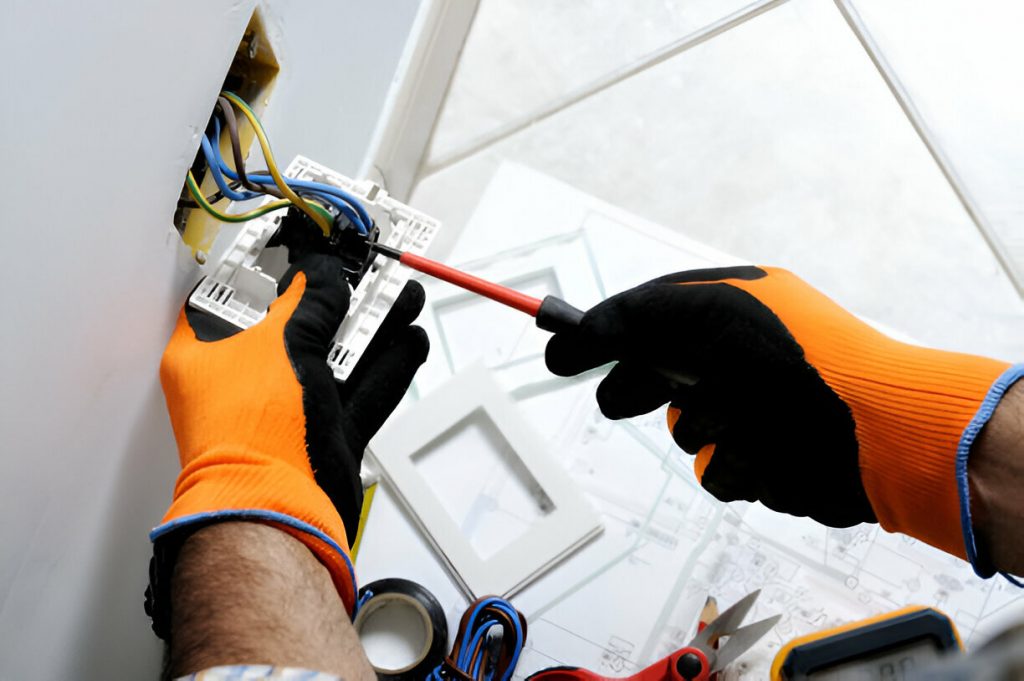
Electrical wiring naturally deteriorates over time.
In some older properties, wiring may:
- No Longer Meet Current Standards
- Show Signs Of Wear Or Damage
- Contain Historic DIY Repairs
- Have Been Altered During Renovations
Older electrical installations may also struggle to cope with modern household usage.
Signs of ageing wiring can include:
- Flickering Lighting
- Discoloured Sockets
- Cracking Accessories
- Repeated Blown Fuses
- Unexplained Electrical Faults
An Electrical Installation Condition Report (EICR) is usually the safest way to assess the overall condition of the installation.
DIY Electrical Work Is Often Found During Inspections
Poorly completed DIY electrical work is another issue commonly found in rental properties.
Examples may include:
- Incorrectly Added Sockets
- Unsafe Outdoor Wiring
- Poorly Installed Lighting
- Overloaded Spur Connections
- Exposed Or Loose Cabling
These issues are not always obvious immediately, but they can create long-term safety concerns if work has not been completed correctly or tested properly.
Landlords purchasing older properties may not always realise that previous electrical alterations were carried out without certification.
Lighting Problems Are Frequently Overlooked
Lighting faults are often treated as minor issues, but recurring problems can sometimes point to wider electrical concerns within the property.
Common examples include:
- Flickering Lights
- Faulty Switches
- Loose Fittings
- Failed Transformers
- Overheating Downlights
In some cases, lighting circuits may contain hidden faults behind ceilings or walls.
Exterior lighting can also become unreliable over time if weatherproof fittings have deteriorated or been installed incorrectly.
For LED upgrades and interior lighting improvements, visit our energy-efficient lighting page.
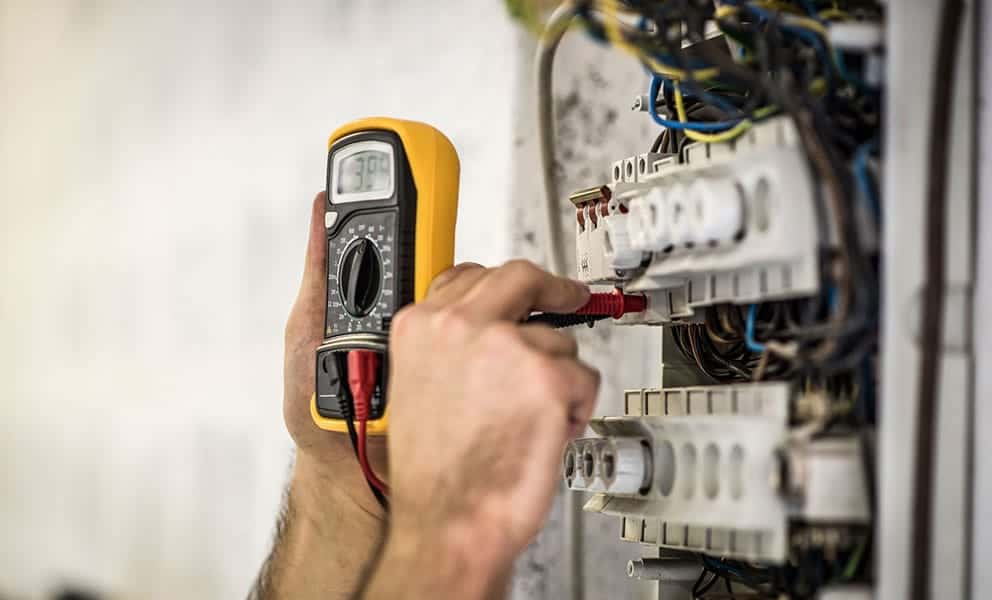
Why EICRs Matter For Landlords
An EICR helps identify electrical problems before they become more serious.
An inspection may highlight:
- Damaged Wiring
- Missing RCD Protection
- Unsafe Consumer Units
- Poor Earthing
- Overloaded Circuits
- Deterioration Within The System
For landlords, regular inspections are also an important part of meeting electrical safety responsibilities.
You can also read our landlord inspection guide here.
Many Older Portsmouth Properties Need Electrical Upgrades
Portsmouth contains a large number of:
- Older Terraced Homes
- Converted Flats
- Post-War Properties
- Long-Term Rental Accommodation
While many of these properties remain structurally sound, the electrical systems are not always updated as regularly as kitchens, bathrooms, or décor.
Over time, older electrics may become less reliable and less suitable for modern usage.
Upgrades can help improve:
- Electrical Safety
- Reliability
- Tenant Confidence
- Long-Term Maintenance Planning
- Compliance With Current Standards
In some cases, landlords may also consider partial or full rewiring work depending on the condition of the installation.
When Should A Landlord Arrange A Professional Electrical Inspection?
It is usually sensible to arrange an inspection if:
- The Property Is Older
- Tenants Report Recurring Faults
- The Fuse Board Appears Outdated
- Electrical Work History Is Unclear
- The Property Has Recently Been Purchased
- The Installation Has Not Been Inspected For Several Years
Even if no obvious issues are visible, hidden electrical problems can still exist behind walls or within older circuits.
Frequently Asked Questions About Electrical Problems In Rental Properties
How Often Should Rental Properties Have An EICR?
Most rental properties require an EICR every five years, although more frequent inspections may sometimes be recommended depending on the condition of the property.
Are Landlords Responsible For Electrical Safety?
Yes. Landlords are responsible for ensuring the electrical installation remains safe throughout the tenancy.
Can Old Wiring Fail An EICR?
Yes. Older wiring may receive observations during an inspection if deterioration or safety concerns are identified.
What Is The Most Common Electrical Problem In Older Rental Properties?
Outdated fuse boards and overloaded circuits are among the most common issues identified during electrical inspections.
Need Advice About Electrical Safety In A Portsmouth Rental Property?
If you are unsure about the condition of the electrics in your rental property, arranging a professional inspection can help identify problems early and reduce the risk of larger issues developing later.
Daxter Electricals provides NICEIC-approved domestic electrical work across Portsmouth, Fareham, and surrounding Hampshire areas, including EICRs, fuse board upgrades, rewiring, lighting installations, and electrical inspections.