

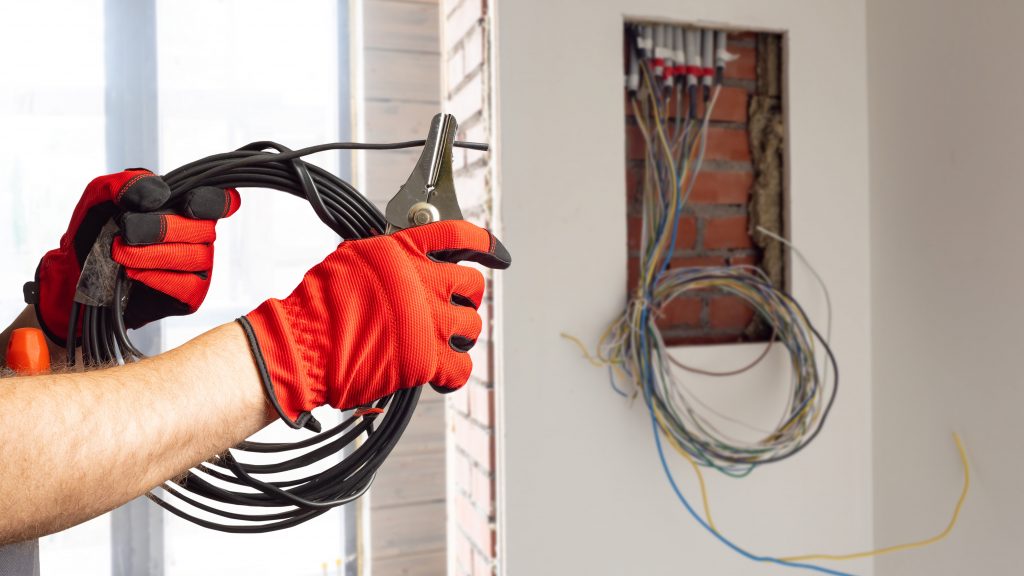
Understanding the cost of rewiring a house in Fareham is essential if you are renovating, buying an older property, or dealing with outdated electrics. A full rewire is one of the most significant electrical upgrades a home can undergo, and pricing varies depending on size, layout, and existing installation condition.
This guide explains realistic price ranges, what influences overall spend, how long rewiring takes, and what is included in a full installation. The aim is to give you practical, transparent information so you can budget properly and avoid surprises.
How Much Does a Full House Rewire Cost?
When assessing house rewiring costs, the first factor is property size.
Typical price ranges in the current market are:
- One-bedroom flat, £3,000 to £4,500
- Two-bedroom property, £3,500 to £5,500
- Three-bedroom house, £4,500 to £7,000
- Four-bedroom home, £6,000 to £9,000+
These figures usually include complete cable replacement, new sockets and switches, updated lighting circuits, a modern consumer unit, and final testing with NICEIC certification.
Exact pricing depends on the property. A site inspection is always required before confirming costs.
For a detailed overview of what is included, see our property rewiring service page.
What Affects Electrical Rewiring Costs?
Several practical factors can influence electrical rewiring costs:
Property Size and Circuit Requirements
Larger homes require more cable runs and additional circuits. Open-plan layouts, extensions, and multiple floors also increase labour time.
Access to Walls and Ceilings
If rewiring is carried out during renovation, when walls are already exposed, installation is more efficient. Completed décor requires careful chasing and reinstatement, which increases time and cost.
Consumer Unit Upgrades
Modern regulations require RCD or RCBO protection. If your fuse board is outdated, replacement will form part of the overall scope. You can learn more about updated boards on our fuse board upgrades page.
Specification and Finishes
The number of sockets, choice of fittings, external lighting, and smart systems all influence total expenditure.
When Should You Consider Rewiring a Property?
Many older homes still operate with wiring installed decades ago. Signs that rewiring may be necessary include:
- Rewirable fuse boards
- Frequent tripping
- Flickering lighting
- Burn marks around sockets
- Rubber or fabric-insulated cables
An Electrical Installation Condition Report can confirm whether a full rewire is required or whether partial upgrades are sufficient. More information is available on our EICR page.
What Is Included in a Full Rewire?
A comprehensive rewire typically involves:
- Removal of old cabling
- Installation of new wiring throughout
- Replacement sockets and switches
- New lighting circuits
- Installation of a compliant consumer unit
- Upgraded earthing and bonding
- Full inspection and NICEIC certification
All work must comply with Part P of the Building Regulations. You can read more about compliance requirements on the UK Government website.
How Long Does a Full Rewire Take?
Timeframes vary depending on property size and access.
As a guide:
- One-bedroom flat, three to five days
- Two to three-bedroom property, five to ten days
- Larger homes, ten days or more
Rewiring usually takes place in two stages:
- First fix, installing cables and back boxes
- Second fix, installing fittings and completing connections
Final testing and certification follow once all work is complete.
Is the Cost of Rewiring Worth It?
Although the cost of rewiring a house in Fareham can appear significant, it is often necessary to ensure safety and long-term reliability.
Benefits include:
- Reduced risk of electrical faults
- Compliance with current safety standards
- Capacity for modern appliances
- Improved layout and socket positioning
- Support for EV charging or home upgrades
If you are considering future improvements such as EV charging, modern wiring capacity is essential. Learn more about EV installation requirements.
Getting an Accurate Quote for Rewiring
The only reliable way to determine the electrical costs for your property is through a professional site visit.
The process typically involves:
- Inspecting the existing installation
- Discussing socket and lighting layouts
- Assessing consumer unit requirements
- Providing a fixed written quotation
All work should be carried out by a NICEIC-approved electrician and fully tested on completion.
Final Thoughts on the Cost of Rewiring a House in Fareham
Understanding the cost of rewiring a house allows you to plan ahead and make informed decisions. While pricing varies depending on size and condition, rewiring is one of the most important investments in electrical safety.
If you are unsure about the condition of your wiring or planning a renovation, arranging a professional inspection is the safest next step.