

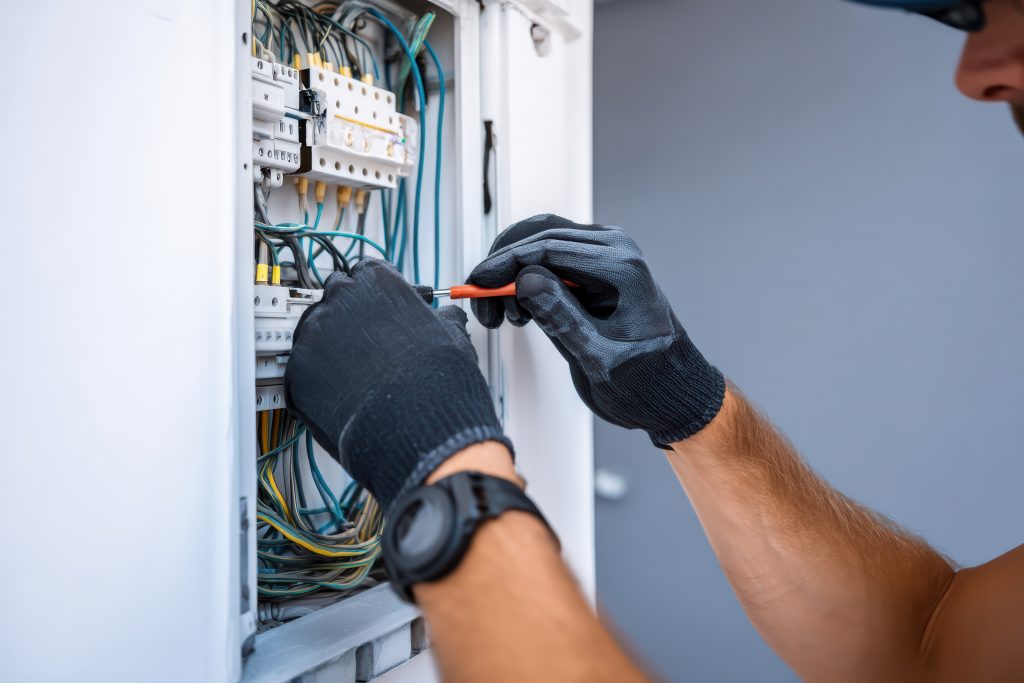
Electrical safety is something most homeowners only think about when something goes wrong. A tripping circuit, a burning smell, or flickering lights often come as a surprise, yet many electrical issues develop slowly over time. Understanding a few core electrical safety tips that homeowners in Fareham should follow can help prevent costly repairs, protect your property, and most importantly, keep your family safe.
Whether you live in a modern new build or an older property, electrical systems need regular attention. From ageing wiring to overloaded sockets, small warning signs are easy to miss until they turn into serious hazards. This guide walks you through five practical, easy-to-understand safety tips that every homeowner can act on, without needing technical knowledge.
By the end of this article, you will know what to look out for, when to act, and when it is time to call a professional.
Why Electrical Safety Matters In Homes
Fareham has a wide mix of property types, from period homes to newer developments. Many older houses still rely on electrical systems that were never designed to handle today’s appliance-heavy lifestyles. Poor home electrical safety that homeowners overlook can increase the risk of electric shock and house fires.
According to UK Fire and Rescue Service data, electrical faults remain one of the leading causes of accidental house fires. The good news is that many of these incidents are preventable with basic awareness and timely checks. Electrical safety is not about fear, it is about knowing how to reduce risk in practical ways.
Tip 1: Do Not Ignore Warning Signs From Your Electrics
One of the most important electrical safety tips is to pay attention to small changes. Electrical systems rarely fail without giving warnings first.
Common signs that should never be ignored include:
- Circuit breakers tripping regularly
- Flickering or dimming lights
- Buzzing sounds from sockets or fuse boards
- Warm or discoloured plug sockets
- A burning smell near electrical points
These issues often indicate loose connections, overloaded circuits, or ageing components. Left unchecked, they can escalate quickly. If you notice repeated problems, arranging electrical safety checks can help identify faults before they become dangerous.
Tip 2: Avoid Overloading Sockets And Extension Leads
Modern homes use far more electrical devices than they did even twenty years ago. Overloading sockets is a common issue, particularly in kitchens, home offices, and living rooms.
Good home electrical safety practices include:
- Using one high-power appliance per socket where possible
- Avoiding daisy-chaining extension leads
- Checking extension leads for heat build-up
- Using fused extension blocks with surge protection
If you find yourself relying on multiple extensions, it is often a sign that your electrical system no longer meets your needs. A professional domestic electrician in Fareham that homeowners rely on can advise whether additional sockets or circuit upgrades would improve safety and convenience.
Tip 3: Make Sure Your Fuse Board Offers Modern Protection
The fuse board, also known as a consumer unit, is the control centre for your home’s electrics. Older fuse boards may lack modern safety devices such as RCD or RCBO protection, which are designed to cut power quickly if a fault is detected.
A modern fuse board:
- Reduces the risk of electric shock
- Helps prevent electrical fires
- Provides better protection for modern appliances
If your fuse board has rewirable fuses or no RCD protection, upgrading it can significantly improve safety. This is often identified during electrical inspections that homeowners arrange when buying, renovating, or renting out a property. Learn more about upgrading outdated fuse boards on our Fuse Board Upgrades page.
Tip 4: Be Careful With DIY Electrical Work
DIY projects can be tempting, especially when they seem minor. However, electrical work carries risks that are not always obvious. Incorrect wiring, loose connections, or unsuitable components can cause faults long after the work appears finished.
Tasks that should always be left to a qualified professional include:
- Fuse board replacements
- New circuit installations
- Bathroom and kitchen electrical work
- Outdoor electrics
Using a qualified domestic electrician that residents trust ensures work is carried out safely, tested properly, and certified where required. This is not just about safety; it also protects you legally and financially.
Tip 5: Book Regular Electrical Inspections For Peace Of Mind
Many homeowners assume electrical inspections are only for landlords, but regular checks benefit owner-occupied homes too. Periodic electrical inspections that professionals carry out can highlight wear and tear that is not visible day to day.
An inspection can identify:
- Deteriorating wiring
- Overloaded circuits
- Missing safety devices
- Non-compliant previous work
These checks are particularly important if your property is over twenty-five years old, has undergone renovations, or if you have never had your electrics formally tested. Routine electrical safety checks that homeowners arrange help prevent unexpected failures and costly emergency repairs.
How Electrical Safety Protects Your Family And Your Investment
Following basic electrical safety tips does more than reduce immediate risk. It also protects the long term value of your property. Safe, well-maintained electrics are a key consideration for buyers, insurers, and surveyors.Electrical safety also supports everyday comfort. Fewer tripped circuits, safer appliances, and confidence in your wiring allow you to use your home without worry. These benefits often outweigh the cost of proactive maintenance. Learn more about professional electrical testing here on our EICR page.
When To Contact A Professional Electrician In Fareham
If you are unsure about the condition of your electrics, or if you have noticed any of the warning signs discussed above, it is always better to seek advice sooner rather than later. A qualified electrician can assess your system, explain any issues clearly, and recommend appropriate solutions without pressure.
Working with a local professional means you benefit from knowledge of common property types in the area and relevant safety requirements.